
Why Kids Love Screens So Much (And Why It’s So Hard to Turn Them Off)
May 09, 2026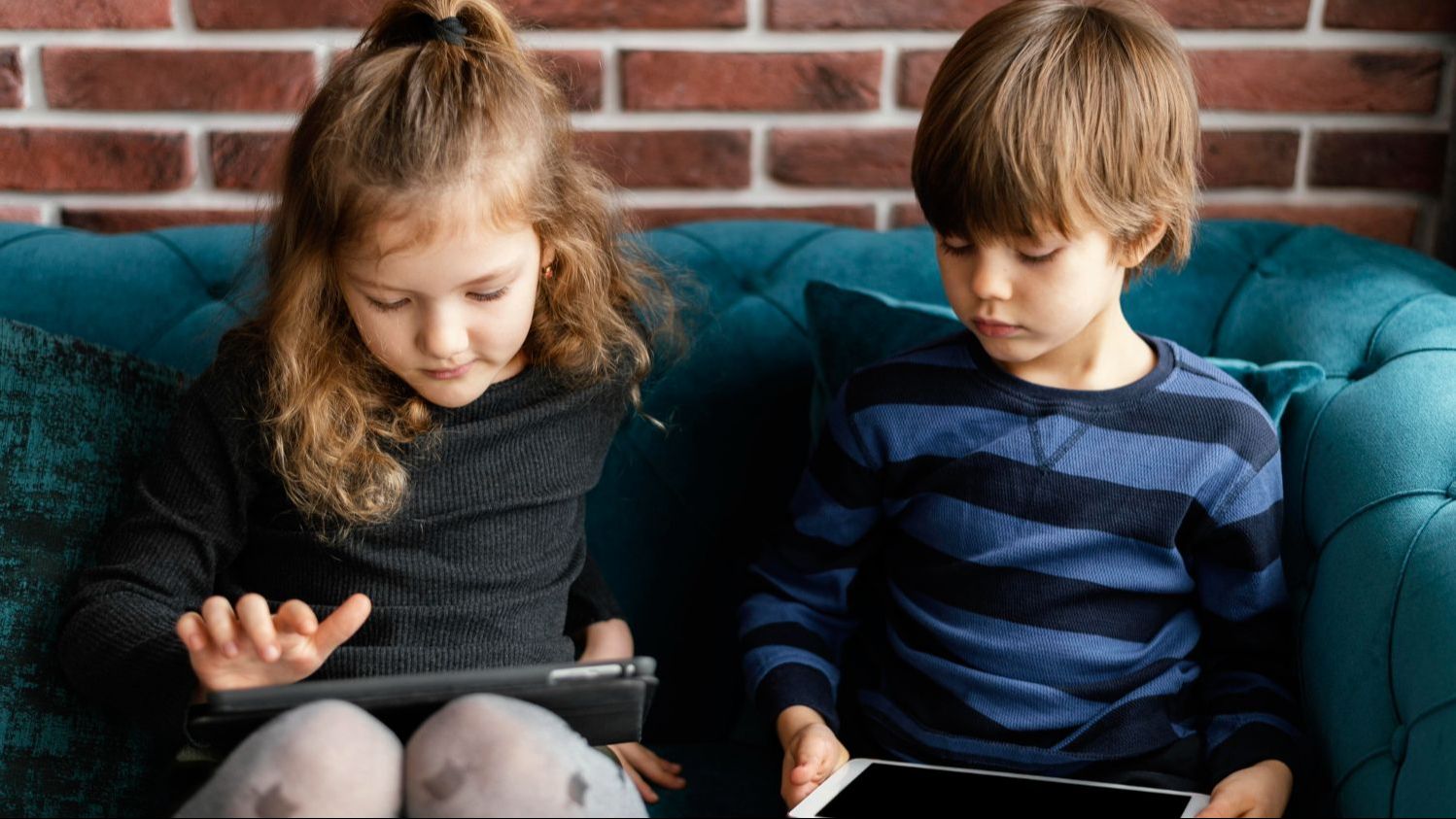
Do you battle with your kids over screen time?
Do you have a child that begs for screens… and then completely falls apart when it’s time to shut them off?
If so, know that you’re not alone.
I work with many parents who struggle with screen time battles, and honestly, it’s something I dealt with in my own home for many years too.
I have a child who loved technology and video games from a very early age. As a result, we had many difficult transitions around screens. Getting him off devices was hard, and we noticed a very clear connection between screen time and behavior challenges afterward.
At the time, I had a hard time understanding it. I didn’t grow up with tablets, YouTube, or video games constantly available, and there wasn’t nearly as much research or discussion around screens and child development as there is now.
But over the past fifteen years, we’ve learned a lot more about why kids are so drawn to screens, and why it can feel so hard for them to disconnect from them.
Why Screens Feel So Powerful to Kids
Every swipe, click, level, sound effect, video, and notification gives kids immediate stimulation and feedback.
Their brains respond by releasing dopamine, a neurotransmitter involved in motivation, pleasure, reward, and learning.
Dopamine is part of the brain’s reward system. When something feels good, exciting, interesting, or rewarding, the brain wants more of it.
Screens provide a level of fast-paced stimulation that kids simply don’t experience in most parts of real life.
Think about how quickly things move in video games, YouTube videos, apps, and social media:
- Bright colors
- Fast movement
- Constant novelty
- Instant rewards
- Endless scrolling
- Immediate entertainment
Compare that to things like:
- Cleaning a room
- Homework
- Waiting in line
- Sitting at dinner
- Folding laundry
- Playing quietly outside
Real life often moves much slower.
And once the brain begins associating screens with pleasure and stimulation, kids naturally start wanting more and more of that experience.
Why Kids Melt Down When Screens End
One of the biggest misunderstandings parents have is assuming their child is simply being defiant when they melt down after screen time.
Sometimes it’s not intentional defiance at all.
For many kids, especially strong-willed kids, kids with ADHD tendencies, anxious kids, or highly sensitive kids, transitioning away from screens is genuinely difficult for the brain.
When kids are deeply engaged in screens:
- their brains are highly stimulated
- dopamine levels are elevated
- attention becomes intensely focused
- impulse control decreases
Then suddenly we ask them to stop.
That’s a huge neurological shift.
And for many children, their nervous systems struggle with that transition.
This is why you may notice:
- meltdowns after screens
- irritability
- aggression
- emotional dysregulation
- difficulty shifting to another activity
- arguing or negotiating for “just five more minutes”
The issue often isn’t simply the screen itself, it’s the transition away from it.
Some Kids Are More Sensitive Than Others
One thing I always want parents to understand is that there is no one-size-fits-all approach to screens.
Some kids seem completely fine after screen time.
Others become highly dysregulated.
Some children can play video games for an hour and transition off easily. Others struggle significantly after even short periods of screen use.
That doesn’t mean you’re doing something wrong as a parent.
Kids have different nervous systems, different temperaments, and different levels of sensitivity to stimulation.
This is especially important to understand if you’re parenting:
- a strong-willed child
- a child with ADHD
- a child with anxiety
- a sensory-sensitive child
- a child with big feelings
These kids often experience screens differently.
The Goal Isn’t Perfection
I think sometimes parents feel pressure to either:
- eliminate screens completely
or - give up because “screens are just part of life now.”
But it doesn’t have to be all-or-nothing.
Screens are part of modern life.
Many kids genuinely enjoy them.
And there can absolutely be benefits to technology and gaming.
The goal isn’t perfection.
The goal is awareness.
It’s understanding how screens affect your particular child so you can make intentional decisions instead of constantly reacting in the moment.
Because when we understand why kids love screens so much, we can stop viewing every screen battle as bad behavior… and start approaching it with more clarity, compassion, and a better plan.
In the next article, I’ll be talking about one of the biggest questions parents ask:
How much screen time is actually too much?
If screen time battles are something you deal with in your home, I’ll be sharing several upcoming articles on screens, including how much screen time is too much, how to set limits without constant battles, and how to navigate summer screen struggles with more confidence and less conflict.
If you’d like these articles delivered directly to your inbox, along with practical parenting tools and deeper insights around strong-willed kids, big feelings, behavior, and emotional regulation, you can join my free Confident Parenting Email Community here: https://www.melpeirce.com/join
You don’t have to parent through these challenges alone.
Join the Confident Parenting Community.
Receive the latest tips and tools from the Confident Parenting Toolbox to support your kids
(and yourself!) with today's challenges so your whole family can thrive.
We hate SPAM. We will never sell your information, for any reason.
